What it means to
open the third eye
The third eye, or Ajna, is the sixth of the seven main chakras. It sits between and just above the eyebrows and is associated with intuition, insight and inner seeing. For the full picture, see the third eye chakra.
"Opening" it is not like flipping a switch, and it isn't something that happens to you from outside. In my experience, it means quieting the noise enough to notice what you already sense, and trusting it a little more each time. The people I work with who feel the most clear are usually the ones who are the most grounded.
You'll also see the third eye linked to the pineal gland. That link comes from tradition and popular writing, and I treat it as a symbol and not a medical claim. You don't need to do anything to a gland to listen to yourself.
Signs it may already
be opening
People often describe these. You don't need to see yourself in all of them.
Stronger gut feelings
You sense something before you can explain it, and it often turns out true.
Vivid dreams
Dreams feel richer, more symbolic or easier to remember.
Patterns and coincidences
You start noticing repeating numbers, themes or well-timed moments.
Imagery with eyes closed
Color, light or pictures show up when you rest or meditate.
Sensitivity to input
Bright light, noise or crowds feel like more than they used to.
A pull toward quiet
You want more stillness, more time alone or more time outdoors.
These are descriptions from energy traditions, not medical symptoms. If anything worries you, talk with a doctor.
Five safe practices
Start with the first and take them in any order after that. Tap a practice to open it.
Practice 1Ground firstStart in the body
The third eye sits at the top of the body, so I start at the bottom. Put your feet on the floor or rest your hands on your belly, and take a few slow breaths. Name three things you can see in the room. This tells your nervous system that you are safe and here, which makes everything after it gentler.
If grounding feels hard, the root chakra page has more.
Practice 2Rest at the browSoft focus, no straining
With your eyes closed or softly lowered, rest a fingertip lightly between your eyebrows, then lower your hand. Let your attention stay there without trying to see anything. If you notice color, light, pressure or warmth, that is fine. If you notice nothing, that is fine too.
Five minutes is plenty. Straining your eyes or furrowing your brow is a sign to soften.
Practice 3Ask a quiet questionWhat do I already know?
After resting at the brow, ask one simple question, What do I already know? Let the answer come as a word, a feeling, an image or nothing at all. Don't chase it, and don't judge it.
Jot down whatever came, even if it seems small. Over time you start to see how your own knowing speaks.
Practice 4Intuition journalNotice what repeats
Keep a notebook by the bed. On waking, write a few lines about dreams, hunches, images or coincidences you noticed. Once a week, look back and see which hunches held true and which patterns repeat.
This is one of the most grounded ways I know to build trust in your own sight, because the evidence is your own.
Practice 5Sleep and sensesA rested mind sees clearer
Regular sleep, water, time outside and a break from screens and noise do more for clear sensing than most techniques. Many people find that when the body is rested, the mind gets quiet on its own and intuition is easier to hear.
Try it for a week before adding anything else.
For a longer guided version, try the third eye meditation or the full chakra meditation.
Why forcing it overwhelms
the nervous system
Many of the intense approaches online, such as long breathwork sessions, staring practices and hours of meditation, ask a lot of the body fast. When the body reads that as too much, it can respond with dizziness, restlessness, poor sleep or anxiety. That isn't a sign that you did it wrong, and it isn't a sign that you should push through. It's a sign that the pace was too fast.
Slow and grounded works better. A settled body gives the mind room to be quiet, and a quiet mind is where intuition tends to be heard. I write more about this in my guide to nervous system regulation.
When to slow down
Here is what I'd do if any of these show up. None of them mean something is wrong with you. They mean the practice needs to be gentler.
| If you notice | Try this |
|---|---|
| Dizzy, spacey or disconnected | Stop and open your eyes. Press your feet into the floor, name three things you can see, drink some water, and eat something if you need to. |
| Restless, anxious or not sleeping | Pause the practice for a few days. Keep any future session short (five to ten minutes), move your body, and wind down in the evening. |
| Headache or pressure at the brow | Soften your focus and stop. Persistent headaches or vision changes are a reason to see a doctor, not something to push through. |
| Vivid imagery that unsettles you | Ground, rest a hand over your heart, and remember that you can stop at any time. Talk with someone you trust, or with a licensed trauma-informed therapist. |
| Chasing signs or wanting more intensity | Go back to the basics: your body, your sleep and one quiet question. The pull for more is usually a cue to slow down. |
If you have a history of trauma, anxiety or dissociation, go especially slowly and consider working with a licensed trauma-informed therapist alongside any energy practice.
Trust your own sight
It's easy to look outside for confirmation: a reader, a quiz, a sign, someone to say that it's real. I understand the pull, and I've felt it myself. But the third eye is the center of your own knowing, and it gets stronger when you act on what you sense, not when someone else approves of it.
A good measure is simple. Can you notice a hunch, check it against your life and let it guide a small choice without needing proof first? That is the sixth gate in Inanna's descent, which asks us to let go of the part of us that measures and counts what's missing. You can read more in the seven gates of Inanna.
How Reiki can support
the third eye
Many people find Reiki quieting for the mind and the forehead, and that can make it easier to hear yourself. In my sessions, I use my voice alongside the Reiki, guiding you through imagery and somatic awareness while the Reiki is held, so the mind can settle without being forced.
In my Sovereign Light Reiki I class, the third attunement focuses on the third eye. I prepare students for a wide range of experience, from vivid color to deep quiet, and I leave extra time afterward to ground. That's the pace I'd suggest for anyone.
I can't promise a specific result, and Reiki is a complement to medical and mental health care, never a replacement. See my Reiki sessions for how to book.
A free activation for
trusting your inner knowing
Blue Moon in Sagittarius Reiki | Trust Your Inner Knowing is a Reiki activation I recorded for intuition and inner trust. It is free on my YouTube channel. Find a quiet spot, and let your forehead soften as you listen.
Blue Moon in Sagittarius Reiki · Trust Your Inner Knowing
You can listen any time, and if you drift off along the way, let yourself.
More to listen to
Three gentle ones to ground and settle.

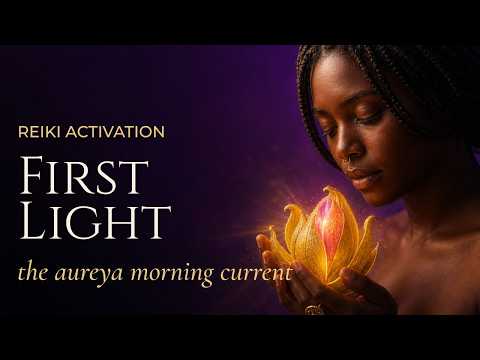
Morning Meditation for Positive Energy
A gentle morning meditation to begin the day settled.
Listen on YouTube
The Scarcity Body
A Reiki activation for the part of you that still counts what is missing.
Listen on YouTubeKeep exploring
Where to go next from here.
Frequently asked questions
How do you open your third eye safely?
Slowly, and from the body first. Ground yourself, rest your attention softly between the brows for a few minutes, ask one quiet question, and keep a journal of what you notice. Protect your sleep, and stop if anything feels like too much. Forcing it or chasing experiences tends to backfire.
How long does it take to open the third eye?
There isn't a set timeline, and I'd be wary of anyone who gives you one. Many people notice small shifts, such as clearer hunches or more vivid dreams, within a few weeks of gentle, regular practice. Others notice very little at first. It isn't a race.
What are the signs your third eye is opening?
People commonly describe stronger gut feelings, vivid dreams, noticing patterns and coincidences, imagery with the eyes closed, sensitivity to light or sound, and a pull toward quiet. These are descriptions from energy traditions, not medical symptoms, and you don't need all of them.
Can opening the third eye cause headaches or anxiety?
Some people feel pressure at the brow, dizziness or restlessness when they push intensive practices. That is a cue to slow down, ground and shorten your practice, not to push through. Persistent headaches, vision changes or ongoing anxiety are a reason to talk with a doctor or licensed therapist.
Can the third eye close again?
In the traditions I work with, the third eye isn't a door that locks. It is better understood as a quality of attention that gets louder or quieter depending on stress, sleep, noise and how much you trust yourself. When it feels quiet, rest and grounding usually bring it back.
Does my third eye need to be opened?
You don't need to open anything to deserve your own intuition. Most of what people are looking for is already there, covered by noise, doubt or fatigue. The practices on this page are about clearing the way and listening, not about forcing something in.
How do you activate the pineal gland?
Many popular sources link the third eye to the pineal gland, a small gland in the brain involved in sleep. That link is traditional and symbolic and not settled science, so I don't make claims about activating a gland. What I can say is that regular sleep, time in daylight and quiet time are good for the body in general.
Can Reiki help open the third eye?
Many people experience Reiki as quieting for the mind and the forehead. I can't promise a specific result, and Reiki is a complement to medical and mental health care, never a replacement. See my Reiki sessions if you'd like to try it.
Guided by Carissa Andrews, Reiki Master and lineage holder.
Reiki is a complementary practice and not a substitute for medical or mental health care. No specific outcomes are promised or guaranteed. This page is educational and is not therapy or clinical advice.