
What is chakra meditation?
Chakra meditation is a quiet practice from yogic and energy traditions. You bring gentle attention to each of the seven main chakras in turn, from the root at the base of the spine up to the crown at the top of the head, usually with breath, a color or a short phrase.
I don't teach it as a way to fix anything. I teach it as a way to check in with the body, one center at a time, and to give the nervous system a slow, steady space to settle. For an overview of the whole system, start with the seven chakras.
Before you begin
A few minutes of preparation make the practice feel safer and steadier.
- Choose a spot. Sit or lie down somewhere you won't be interrupted for 20 to 30 minutes.
- Call your energy home. Take a few slow breaths, and quietly invite your attention back into your own body.
- Ground. Feel your feet or your weight on the surface beneath you. You can always return here.
- Set a gentle intention. Something simple, like "I'm just going to notice."
- Go slowly. A minute or two per center is plenty. There is no goal and no right feeling.
The practice: root to crown
Spend a minute or two on each center. Breathe slowly, notice what is there, and move on when you are ready.
- Root (base of the spine, red). Feel the weight of your body on the surface beneath you. Breathe slowly and let the exhale be longer than the inhale. Quietly say I am safe here. Seed sound: LAM.
- Sacral (lower belly, orange). Rest your attention below your navel, and let your belly soften. Notice any feeling without trying to change it. Say I am allowed to feel. Seed sound: VAM.
- Solar plexus (upper belly, yellow). Feel the warmth behind your ribs, and let your breath move the area gently. Say I am enough as I am. Seed sound: RAM.
- Heart (center of the chest, green). Rest a hand over your heart and breathe into your palm. Say I am allowed to receive. Seed sound: YAM.
- Throat (base of the throat, blue). Soften your jaw and tongue, and let your neck lengthen. Say My voice belongs to me. Seed sound: HAM.
- Third eye (between the eyebrows, indigo). Let your forehead smooth and your eyes rest behind closed lids. Say I trust what I know. Seed sound: OM.
- Crown (top of the head, violet or white). Imagine soft light resting there like a warm hand. Say I am connected, and I am here. Seed sound: OM, or silence.
Finish by pressing your feet into the floor, resting both hands on your belly and taking three slow breaths. Open your eyes slowly. If anything felt heavy, let it be and give yourself a few quiet minutes.
A three-minute version
Short on time? Put one hand on your heart and one on your belly. Take three slow breaths into your belly, then three into your chest, then three with your attention resting at the top of your head. Finish with three breaths feeling your feet. This isn't a lesser version. It is a way to touch the whole line in a short moment.
If you'd like to spend a whole session on one center, each chakra page has its own short practice, and you can begin with the root chakra.
How I work with the chakras in a one-on-one session
In a live one-on-one session over Zoom, you center, I guide you to call your energy back to you, and we call in any allies you'd like with you. Then I move through the traditional Usui hand positions from head to foot, which pass through the areas of the body where the chakras sit. You visualize turning over, and I work the back as well.
I don't direct the Reiki, and the positions aren't what make it work. Reiki goes where it is needed. I don't have a recorded activation that moves through all seven chakras yet, so a one-on-one session is currently the way to receive that kind of work. See Reiki chakra balancing for what that looks like, or book a Reiki session.
A free activation to settle first
Reiki for Anxiety: A Nervous System Healing Transmission is a Reiki activation I recorded for settling the body. It is free on my YouTube channel, and a good way to arrive before any chakra practice.
Reiki for Anxiety · A Nervous System Healing Transmission
You can listen any time, and if you drift off along the way, let yourself. Nearly every activation I record works through the chakras, and I guide the energy to more than one.
More to listen to
Three more that meet individual centers and the whole body from different angles.
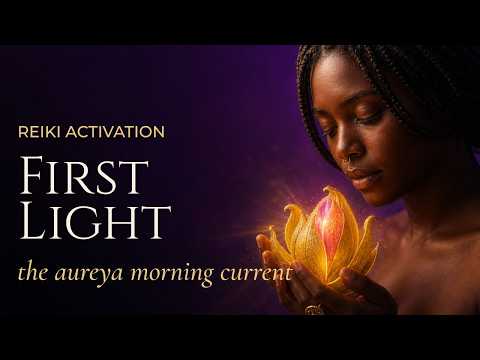
Morning Meditation for Positive Energy
A gentle morning meditation to begin the day settled.
Listen on YouTube
Valentine's Day Reiki | Heart Chakra Activation
A heart chakra activation to open and receive love.
Listen on YouTube
Throat Chakra Reiki Activation | Speak Your Worth
A New Moon in Taurus throat chakra activation.
Listen on YouTubeWhen to slow down
Chakra meditation is usually gentle, but it can stir feelings, especially around the heart, throat and third eye. If you feel dizzy, anxious, flooded or numb, slow down, open your eyes, feel your feet and breathe out slowly. You can stop at any time.
If it stays overwhelming, or you're working with something heavy, a licensed trauma-informed therapist can offer support that goes beyond what a meditation can. My page on nervous system regulation starts with the body, which is where I'd begin.
Keep exploring
Where to go next from here.
Frequently asked questions
What is chakra meditation?
Chakra meditation is a practice from yogic and energy traditions where you bring gentle attention to each of the seven main chakras in turn, usually from the root at the base of the spine up to the crown at the top of the head. People often pair the attention with breath, a color, a seed sound or a hand on the area. It is a contemplative practice, not a medical treatment.
How do I do a chakra meditation?
Get comfortable, ground yourself, and move slowly from the root to the crown, spending a minute or two on each center. Rest attention there, breathe, notice what you feel, and move on. Finish by grounding. The step-by-step practice on this page walks through it, and there is a shorter three-minute version.
How long should a chakra meditation be?
Twenty to thirty minutes is common for all seven, which is about three to four minutes per center. When you're short on time, the three-minute version on this page works, and spending the whole session on a single chakra is fine too.
Should I start at the root or the crown?
Most traditions start at the root and work upward, because the lower centers are about safety and grounding, and the upper centers are easier to settle once the body feels supported. Many people also end back at the root, or with a grounding pause, so they don't leave the practice floating.
What should I feel during chakra meditation?
There is no right experience. Some people feel warmth, tingling, pressure, a shift in breath or emotion, or simply nothing, and all of it is fine. Nothing is wrong if you feel nothing. Quiet and steady attention is the practice.
Can chakra meditation cause anxiety or emotional release?
Sometimes, especially around the heart, throat or third eye. If that happens, slow down, open your eyes, feel your feet on the floor, and stop if you need to. If it stays overwhelming, a trauma-informed therapist can help. My page on nervous system regulation is a good place to begin.
How is chakra meditation different from Reiki?
In chakra meditation you direct your own attention. In Reiki, the practitioner guides gentle energy through hand positions while you rest. In a traditional Usui Shiki Ryoho session, the hand positions move through the areas where the chakras sit, on the front and the back of the body, though the Reiki itself goes where it is needed. I explain this in Reiki chakra balancing.
Do I need to know about the minor chakras?
No. The seven main chakras are plenty to start with. Beyond them there are smaller centers, including the hands and feet, and chakras above and below the body, which I cover in the minor chakras page. Some people like to begin a meditation with their hands resting on the area, which is a gentle way to feel your own hand chakras.
Guided by Carissa Andrews, Reiki Master and lineage holder.
Reiki is a complementary practice and not a substitute for medical or mental health care. No specific outcomes are promised or guaranteed. This page is educational and is not therapy or clinical advice.