Reiki Explained
What Is Reiki?(And Is It Real?)
A plain, welcoming answer from a Reiki Master.
What is Reiki?
The short answer
Reiki is a Japanese practice of energetic support. A practitioner who has been attuned acts as a bridge between the universal flow of Reiki and the person receiving it, allowing Reiki to flow through them while their hands rest lightly on or just above the body, or from a distance. It was developed by Mikao Usui in Japan in the early 1920s, and it is passed from teacher to student through a set of attunements.
The word is usually explained as two Japanese words, rei and ki, often translated as universal and life energy.
That is the whole definition. Everything else on this page is detail: what a session looks like, what the research says, what Reiki is not, and how it is learned.
Is Reiki real?
Yes. Reiki is a real practice with a documented lineage, taught hand to hand for about a hundred years, and people have turned to it for support for just as long. You can see my own line, name by name, on my lineage page.
What the research is finding
Researchers have been paying attention, and what they are finding is encouraging. A 2024 review of 13 controlled studies with 824 adults found a significant reduction in anxiety among people who received Reiki, strongest for people living with chronic conditions. A 2025 review of 11 randomized trials with 661 people found a significant improvement in quality of life.
Scientists are still working out how and why Reiki helps, and I welcome more of that research. In the meantime, you don't have to wait for every answer to find out whether it supports you.
What a session offers
A Reiki session is an hour of quiet, structured attention in which you are not asked to perform, fix or achieve anything. You get to rest and be cared for. What you notice, if anything, is yours to judge.
I'm an analytical person who practices Reiki, and I don't think those two things pull against each other. I follow the research and I trust my own experience, and I'd invite you to do both.
What I add to Reiki in my verbal work
Verbal Reiki is the part of my work where I see the strongest response, and I don't think that is only because of the Reiki. In a verbal activation I use my voice alongside it, drawing on subconscious work, mental reframing and somatic work, which means guiding your attention into the body and speaking to the stories and patterns underneath.
I use those modalities deliberately, to support the Reiki rather than to replace it. In my experience, that combination is why people respond to this work the way they do. If you'd like the full picture of how it differs from a traditional activation, I wrote about it in Reiki Activation vs. Verbal Reiki: What’s the Difference?
That is my experience, and I'm still curious about exactly which ingredients do what. I would rather name every one of them than hand all the credit to a single piece.
These are supportive practices, not therapy or medical treatment, and no specific outcome is promised.
What happens in a Reiki session?
In a traditional session you stay fully clothed and rest, usually lying down or sitting. The practitioner places their hands lightly on or just above the body, moving through a sequence of hand positions. Some sessions use no touch at all. The room is usually quiet.
The hand positions aren't what directs the Reiki. The practitioner is there as a vessel, and Reiki flows wherever it is needed. What the positions do is give you both a sense of where the session is. When the front of the body is finished and you are asked to turn over, it works like a quiet internal timer: you are now in the second half, and the session is moving toward its close.
People describe all kinds of things, and some describe nothing in particular. I won't tell you what you will feel, because I can't know, and no one can promise it. You are welcome to simply rest.
Reiki is a gentle practice, and the NIH reports it hasn't been shown to have any harmful effects. It is meant to sit alongside medical and psychological care, never in place of it.
Ways to receive Reiki
- In person. The traditional form, with a practitioner in the room using light touch or hands held just above the body.
- At a distance. Reiki offered when the practitioner and the person are not in the same place. I explain how it works, and answer the common questions, on my distance Reiki page.
- Verbal Reiki. A voice-guided activation you can listen to, which is what I record on YouTube. It combines Reiki with subconscious, reframing and somatic work, as described above. The difference is covered in Reiki Activation vs. Verbal Reiki.
How Reiki fits alongside everything else
It is support, alongside your care. Reiki sits comfortably next to medical and psychological care. It doesn't diagnose, treat or cure anything, and it is never a replacement for a doctor, a therapist or a prescribed treatment.
It is open to everyone. Reiki is not a religion. There is nothing to join and no belief to adopt, and people from many backgrounds and traditions practice it alongside whatever they already hold dear.
It is received, not directed. A Reiki practitioner doesn't control the energy. We act as a vessel: we open the channel and allow Reiki to flow through, and it goes wherever it is needed, in the amount that person's body is able to receive.
In the way I was taught, the practitioner holds the vibration of the whole, healed version of the person and does not hold an outcome. We aren't meant to know what is happening inside the other person, so that we never push energy toward a result or use our own energy to manipulate them. That is why no specific outcome is promised or guaranteed.
How Reiki is learned
Reiki isn't learned from a book. It is passed from teacher to student through attunements, which is why a teacher's lineage matters and why you can reasonably ask about it before you study with anyone.
An attunement is what prepares a practitioner to be that bridge, to channel Reiki rather than use their own energy.
In the Usui Shiki Ryoho tradition I teach, training moves through Reiki I, Reiki II and then Master and Teacher level. Attunements are valid whether they are received in person or online, and the symbols belong to that training. You can read a little about them on my Reiki symbols page.
Every student also begins with the same five daily intentions, which you can read on my page about the five Reiki principles. You don't need an attunement to read them or live by them.
Who is writing this
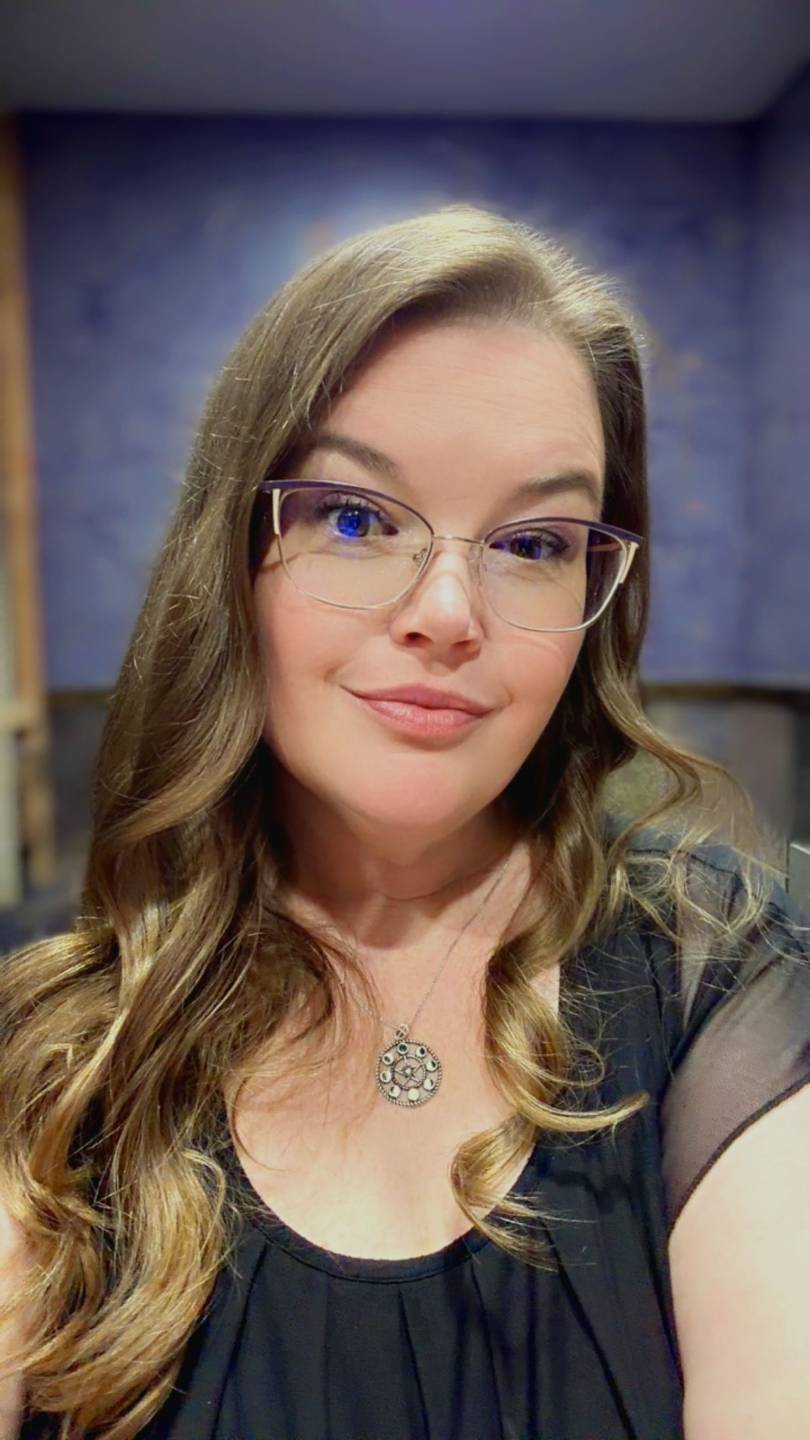
Carissa Andrews · Reiki Master & Teacher
I'm Carissa Andrews. I was attuned as a Reiki Master and Teacher in the Usui Shiki Ryoho tradition on June 21st, 2008, and I teach live Reiki I & II certification through Sovereign Light.
You can read more about me on my about page.
Questions people ask about Reiki
Is Reiki real?
Yes. Reiki is a real practice with a documented lineage, and recent reviews of controlled studies have found lower anxiety and better quality of life among people who received it. I offer it as support, never as a replacement for medical care.
Does Reiki hurt?
No. Reiki is gentle, with light touch or no touch at all. You stay fully clothed and rest.
Do the hand positions matter?
The positions aren't what directs Reiki, since the practitioner acts as a vessel and Reiki goes wherever it is needed. They give the practitioner and the person receiving a sense of how the session is progressing, like a quiet timer. When the front is complete and you turn over, you know you are in the second half.
Do I need to believe in Reiki to try it?
No. You can come with curiosity, or with doubt, and simply notice what you notice. Receive only what feels right for you.
Is Reiki a religion?
No. It doesn't ask you to adopt a belief or join anything.
Can Reiki replace medical treatment?
No. Reiki is not a substitute for medical or psychological care, and it should be used alongside it, never in place of it.
Can anyone learn Reiki?
Yes. Reiki is learned through attunements from a teacher rather than from a book. In the tradition I teach, training moves through Reiki I, Reiki II and then Master and Teacher level.
Where to go from here
Take whichever door feels steady, at your own pace.
- Read the five daily intentions. The five Reiki principles are where practice begins.
- Learn how distance Reiki works. Start with the distance Reiki page.
- Understand the symbols. See what they are and aren't on the Reiki symbols page.
- See the line behind the teaching. The Usui Reiki lineage page walks through each teacher, in full.
- Learn Reiki with me. Sovereign Light is live Reiki I & II certification in the Usui Shiki Ryoho tradition, offered in cohorts. Join the waitlist to hear when the next one opens.
Reiki is a practice of energetic support and is not a substitute for medical or psychological care. No specific outcomes are promised or guaranteed. Certification reflects completion of training within the Usui Shiki Ryoho system.