Black Sheep of the Family · Never Belonging · Reiki · Manifest Differently
Black Sheep of the Family: The Wound of Never BelongingFor the one who always felt like the odd one out
You were never outside the circle.
What does it mean to be the black sheep?
The black sheep is the one who didn't quite fit. The one who felt things more deeply, asked the questions no one wanted asked, wanted something different, or simply never seemed to speak the family's language. Sometimes the label is spoken out loud. Often it's only felt, in the pauses, the jokes, the stories you weren't part of.
In some families the black sheep also carries the tension that no one else wants to hold. Being cast as the problem is a role the family hands out. It is not a fact about who you are.
Black sheep is an informal term and not a clinical diagnosis. Nothing on this page is medical or mental health advice.
Signs of the black sheep
Not a checklist, only common ways this pattern shows up.
You feel like the odd one out
At family gatherings, you are present but somehow apart.
You are misunderstood or blamed
The family story seems to have a version of you that you don't recognize.
You hide parts of yourself
You edit what you share so you can stay close, or stay safe.
You are the sensitive one
You feel the tension in a room and name what others would rather ignore.
Belonging feels conditional
Even in friendships and communities, part of you waits to be told you don't fit.
You carry the cycle-breaker role
You see the family pattern clearly and feel alone in wanting to change it.
If several of these sound familiar, there is nothing wrong with you. It may only mean you have been looking for home for a long time.
Where it begins
Families run on unspoken rules about who to be and what not to say. A child who is more sensitive, more questioning or simply different may break those rules without meaning to, and end up on the outside of the circle.
Many neurodivergent people also describe feeling like the odd one out from very early on, long before they had words for it. Sometimes the family's difficulty with one person is really the family's difficulty with itself.
This isn't about blame. Families do the best they can with what they know, and your hurt can still be real.
How it lives in the body
A child on the edge of the family circle often learns to stay watchful, to hide or to appease in order to stay connected. In nervous system terms, this is often described as the fawn response. It is a survival response and not a flaw. It helped you stay as close as you could.
It can show up in adult life as people pleasing, bracing in groups, or a sense that belonging has to be earned.
For the bigger picture, see nervous system regulation.
Coming home to belonging
There is no single way through this, and no promise that I can make. Some gentle steps many people find helpful.
- Name what happened. Without minimizing it, and without deciding anyone was a villain.
- Grieve the belonging you didn't get. It is real to miss something you never had.
- Find people who see you. Seek out friendships and communities where you don't have to edit yourself.
- Stop auditioning. Notice where you perform for approval, and try being a little more yourself.
- Build a home within. Offer yourself the welcome you were waiting for someone else to give.
A licensed therapist who understands family systems can offer support beyond what a page like this can. Whether to keep contact with family is always your decision.
Keep exploring
Pages that go deeper.
Where Reiki and verbal Reiki fit
Reiki is a gentle practice of energetic support, and many people experience it as deeply restful. I'm not claiming it treats or cures anything. I offer it as a complement, a way to give the body a quiet space to settle.
Verbal Reiki
I use my voice alongside the Reiki, guiding you through imagery and somatic awareness while the Reiki is held.
A place to simply be received
There is nothing to prove here and no role to play. The pace is slow and quiet, and you are welcome exactly as you are.
New to Reiki itself? What Is Reiki? explains it plainly.
A free activation to begin with
You Were Never Outside the Circle is a Reiki activation I recorded for the wound of never belonging. It is free on my YouTube channel. Find a quiet spot and listen in a way that feels steady.
You Were Never Outside the Circle · Healing the Wound of Never Belonging
You can listen any time, and if you drift off along the way, let yourself. Receive only what feels right. More are in my Wound Healing Reiki Activations playlist.
Where to go from here
Take whichever door feels steady, at your own pace.
The Ongoing Work
Walk it in the Temple of Mysteries
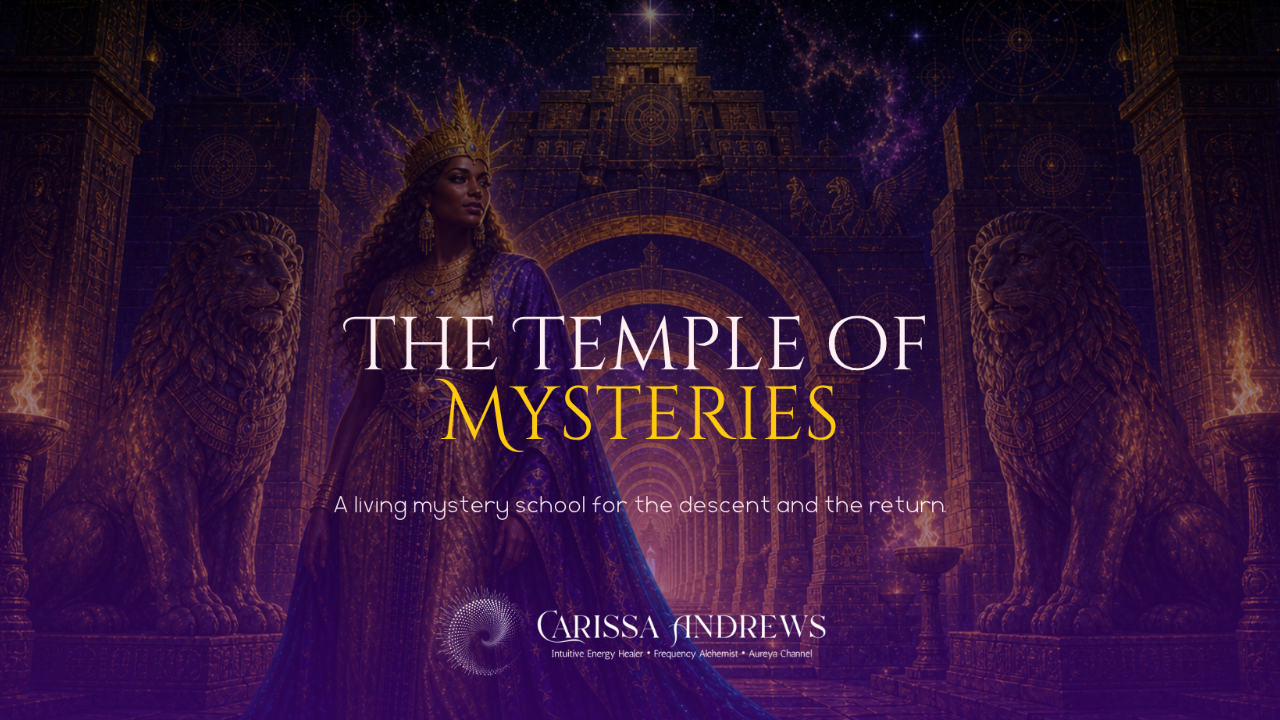
Temple of Mysteries is my ongoing home for this work, built on Inanna's descent. We move through the seven gates, releasing a layer at each one, including the sense of standing outside the circle. The shedding happens through verbal Reiki, in the company of a community walking it with you.
You also receive a library of every activation from my YouTube channel, plus member-only transmissions.
Enter the TempleNot sure where to start?
A short quiz that names the gate you are standing at right now.
Take the Gate QuizRead the story
The seven gates of Inanna's descent, and why I walk with her.
The Seven Gates of InannaFrequently asked questions
What does it mean to be the black sheep of the family?
The black sheep is the family member who feels different, left out or out of step with the rest, sometimes because they think, feel or live differently, and sometimes because the family needed someone to carry the blame. It is an informal term and not a clinical diagnosis.
Why am I the black sheep of my family?
There is rarely one reason. Some people are the black sheep because they are more sensitive, question the family's rules, break a pattern or simply see things differently. In some families, one person ends up carrying the tension for everyone. It is not a measure of your worth.
What are the signs you are the black sheep of the family?
People describe feeling like the odd one out, being misunderstood or blamed, not being invited into the family story, and feeling they have to hide parts of themselves to be accepted. These describe a pattern and do not mean something is wrong with you.
Is the black sheep the same as the family scapegoat?
They overlap but are not identical. A black sheep is the one who feels or is seen as different. A scapegoat is the one who is blamed for the family's problems. Some people are both. A licensed therapist who understands family systems can help you sort out what applies to you.
Do black sheep have a wound of never belonging?
Many people who feel like the black sheep describe a lasting sense of not quite belonging, in the family and elsewhere. I call this the wound of never belonging. It is an informal term and not a diagnosis.
Can the black sheep be the cycle breaker?
Many people describe themselves this way, as the one who saw the pattern and chose to do something different. It can be a source of strength, and it can also be lonely. You don't have to carry that role for anyone.
How does being the black sheep affect the nervous system?
Many people describe learning to stay on guard, to hide parts of themselves or to appease in order to stay connected. In nervous system terms, this is often described as the fawn response. It is a way of understanding and not a diagnosis.
How do I heal from being the black sheep?
Many people find it helps to find people who see them clearly, to grieve the belonging they didn't get, to stop auditioning for approval, and to build a sense of home within themselves. Change tends to be gradual, and a therapist can help. I can't promise any outcome.
Do I have to cut off my family?
No one can decide that for you. Some people keep contact with boundaries, some take space, and some choose distance. A licensed therapist can help you think through what is right and safe for you.
Can Reiki help with feeling like the black sheep?
Reiki is a complementary practice that many people find deeply restful, and it can offer a place where you are simply received as you are. It does not treat or cure any condition and is not a substitute for medical or mental health care.
Guided by Carissa Andrews, Reiki Master and lineage holder.
Reiki is a complementary practice and not a substitute for medical or mental health care. No specific outcomes are promised or guaranteed. This page is educational and is not therapy or clinical advice.